
Brett Weekes
CEO | Industrial Fittings Sales Pty Ltd
"Money well spent. It frees up time for key people, stock is better, and that has flow-on effects across the business."
Industrial Fittings Sales partnered with Slimstock to move from manual, reactive planning to data-driven inventory control, improving fill rates, reducing stockouts and lowering freight costs.
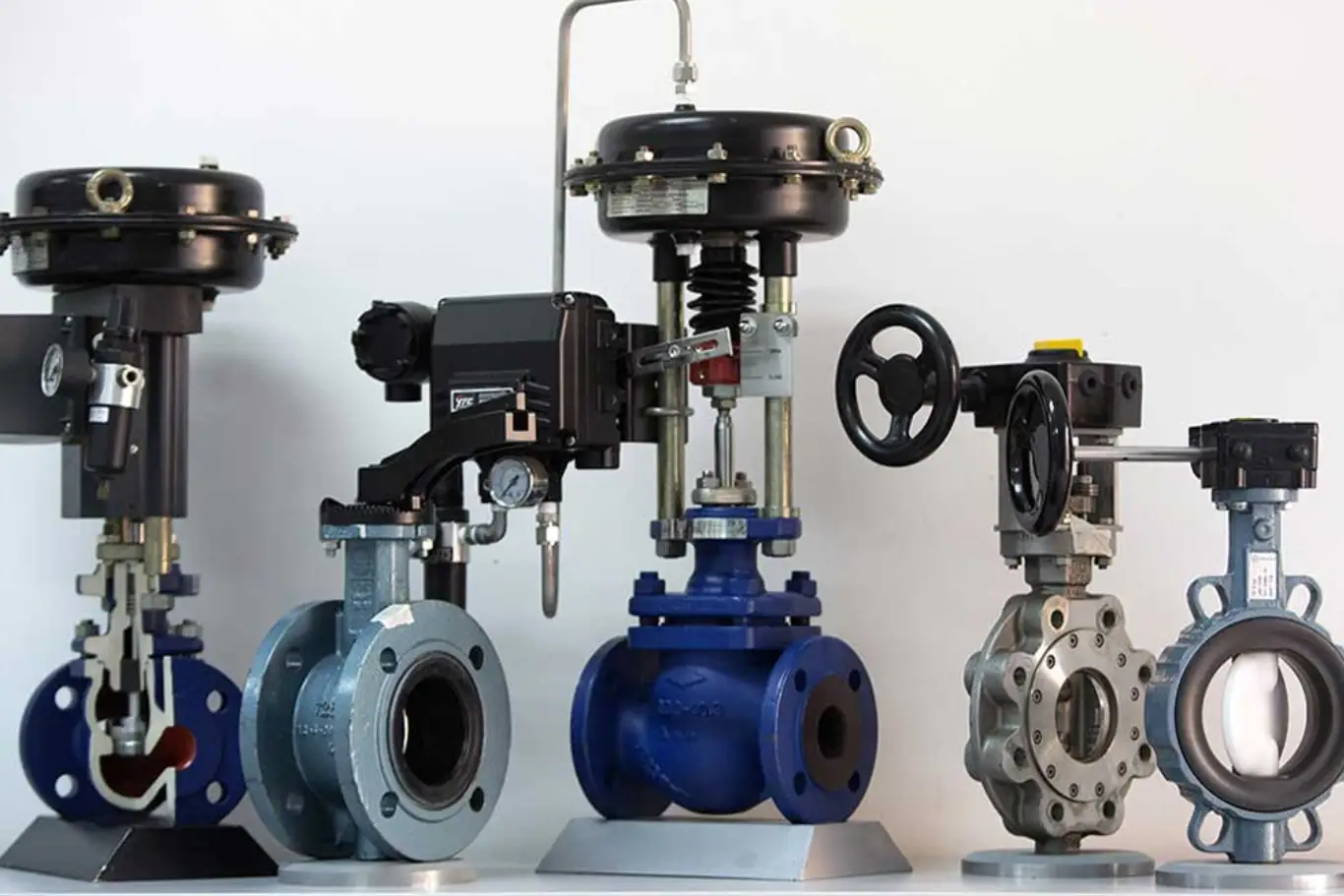
Industrial Fittings Sales is an Australian manufacturer & Wholesaler that has been providing brass fittings, accessories and precision components to the Australian industrial market since 1989.
With over 16,000 stock lines, including brass, stainless steel and nylon fittings, valves, pneumatic products, airbrake fittings, tubing and customised components, availability is a core element of the services provided by IFS. However, as the product line and operational complexity grew, keeping up with availability with manual processes became increasingly hard.
Looking back at how IFS used to do things, there is one word which is commonly mentioned by the team: reactive.
After years of adding workarounds to processes that could no longer support the scale of the business, the company began to see the impact on efficiency and customer service.
“We struggled with stockouts, excess inventory and slow manual planning. The biggest issue for us was efficiency and customer service, our backorders had become a serious issue,” explains Brett Weekes, CEO at Industrial Fittings Sales.
However, at the core of this problem was a simple inability of the existing system to cope with the growing complexity.
“It was a very manual system that had been built in the 1990s, survived through the 2000s and had just been completely outgrown.”
Stock volumes had grown, and the business was managing inventory across two physical warehouses that effectively operated as seven. Without real-time visibility, planning had become increasingly complex.
“The way our business is set up is so dynamic and convoluted. We have two physical warehouses, but in effect seven warehouses, that added a whole level of complexity.”
The consequences were significant: lost sales due to stockouts, unnecessary capital tied up in inventory, and additional operating costs across the business.
“It makes a massive difference to any business. It’s not just purchasing patterns, it has flow-on effects when you don’t have stock, including the inconvenience to customers.”
A change of perspective: from reactive to proactive
IFS had to find not just a new tool to work with but a fundamentally new approach to operations.
With Slimstock’s platform, IFS created a centralised planning environment that helped the team manage demand, stock and purchasing more effectively. Instead of reacting to problems after they appeared, the company could plan with better information and prevent issues earlier.
“For the first time, we are able to capture everything we know about inventory levels.”
Behind the scenes, Slimstock’s solution automated much of the detailed planning work, reducing the burden of manual processes.
“It does all the donkey work in the background, and then you’re presented with what you need.”
A structured implementation that built confidence
One of the main drivers of the project’s success was the way it was implemented. The change was not treated as a one-off system launch, but as a structured process that helped IFS adopt a new way of working.
“The implementation was very well mapped out. Everything was structured around milestones, and you could see things being achieved and ticked off.”
This transparency helped the team stay focused during implementation and gave users confidence as each milestone was completed.
Just as importantly, the structured approach made the transition manageable for users across the business, helping them adopt the new system comfortably.
“We’ve got people in their 60s and people in their 20s using it without any issues. It’s multi-generational.”
Early results and a stronger foundation for improvement
The benefits of this shift are becoming visible as IFS continues to optimise the way it plans and manages inventory.
While the fill rate prior to implementation was approximately 72%, the business has achieved significant improvements over the 18 months since implementation, with fill rates reaching 90–95% by mid-2026. More importantly, the true value of the system extends beyond this metric, providing substantially greater control over stock availability, backorders, freight management, and purchasing discipline. Together, these improvements have enhanced operational efficiency and delivered what matters most to our customers: faster speed to market.
Some of the clearest improvements include:
- Fill rates increased from approximately 72% before implementation to 90–95% by mid-2026.
- Improved visibility to reduce stockouts and backorders.
- Potential freight cost savings through fewer emergency shipments.
- More planned purchasing and less reliance on reactive decision-making.
“It makes us make smarter, more informed decisions.”
With greater visibility and more efficient planning, IFS can respond faster, reduce pressure on the team and move away from constant firefighting.
Getting extra time for higher value activities
Beyond the operational indicators, Slim4 has helped IFS gain something equally valuable: time.
Previously, key employees spent significant time on operational tasks, handling orders and resolving issues. With automation in place, much of that work has either been eliminated or streamlined.
As a result, IFS teams can focus more of their time on higher-value activities, including supplier negotiations and strategic planning.
“Instead of sitting there trawling through backorders, people can be doing contract negotiations with suppliers and buying better.”
While the investment required careful consideration, the outcome has reinforced that it was the right decision for the business.
“You look back and realise it was an investment more than anything. It brings a lot of value.”
Moving forward with confidence
From a manual system to a more controlled planning process, IFS now has the visibility and structure needed to keep improving.
By reducing its reliance on manual processes and increasing the role of data-driven planning, the company is better equipped to manage a wide product range, respond to changes in demand and maintain the availability its customers expect.
Or, as Brett puts it: “Money well spent. It frees up time for key people, stock is better, and that has flow-on effects across the business.”

Related case study